
Rigid-Flex PCB Manufacturing for Compact Electronics
Rigid-flex PCBs combine rigid component areas with flexible connections for compact, three-dimensional assemblies. Explore constructions for simple interconnections, dense routing, folded layouts, and repeated movement.Contact Now!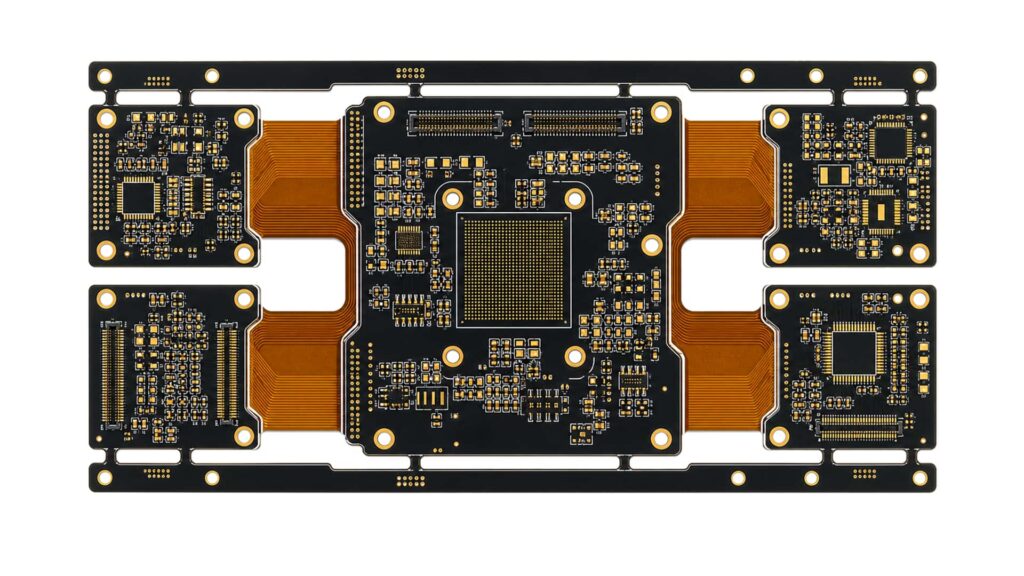
Rigid-Flex PCB Types for Different Interconnection Needs
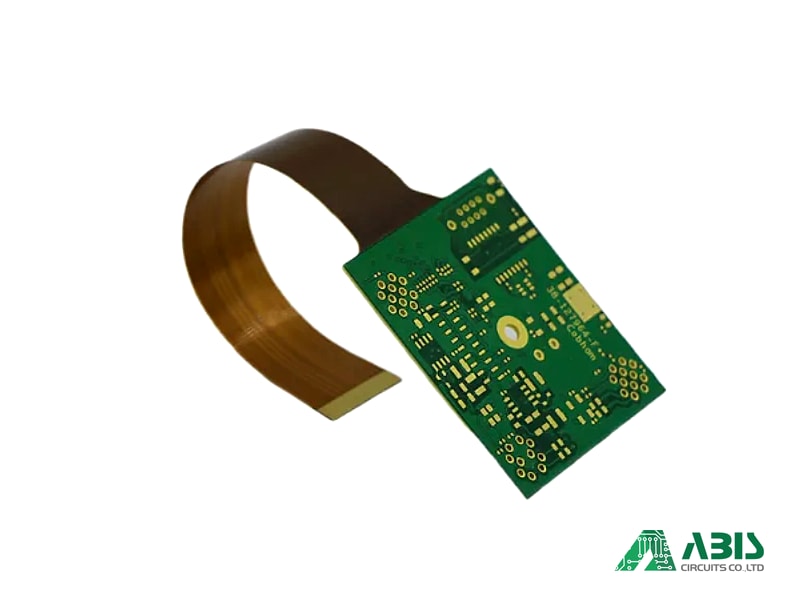
Single-Layer Rigid-Flex PCB
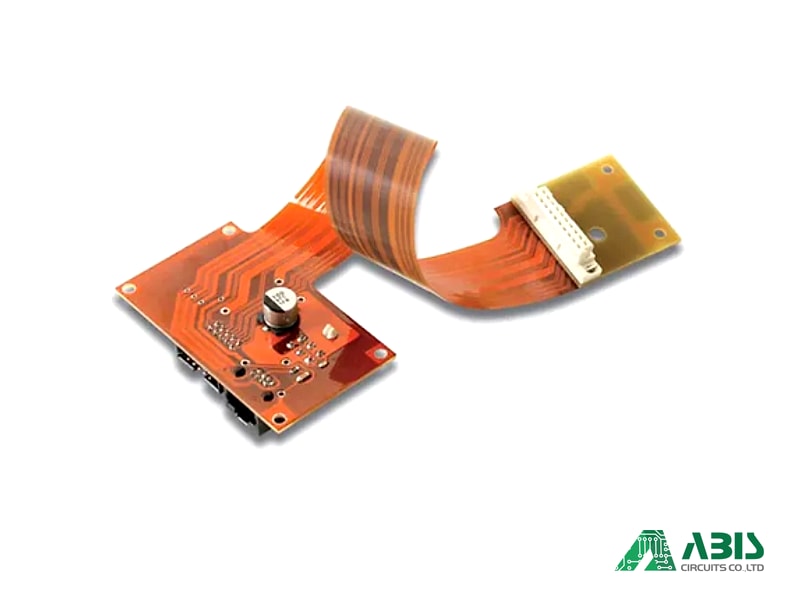
2-Layer Rigid-Flex PCB
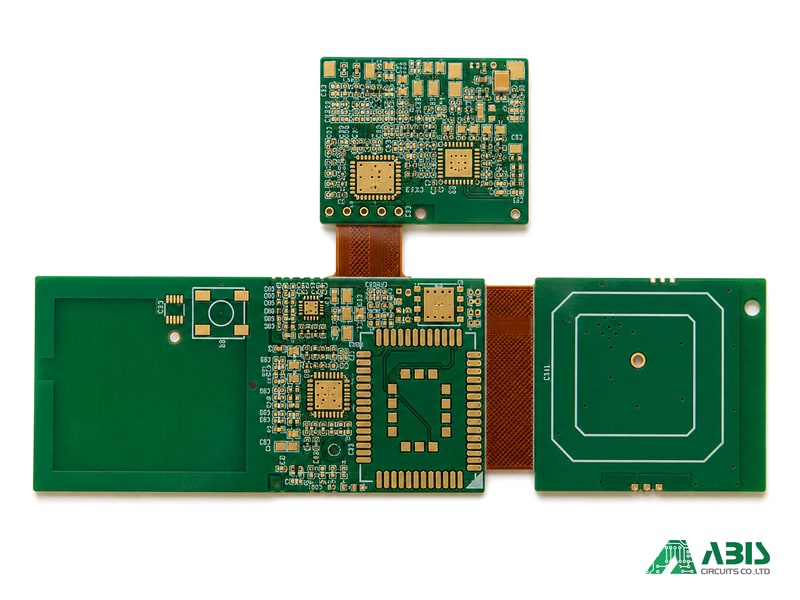
Multilayer Rigid-Flex PCB
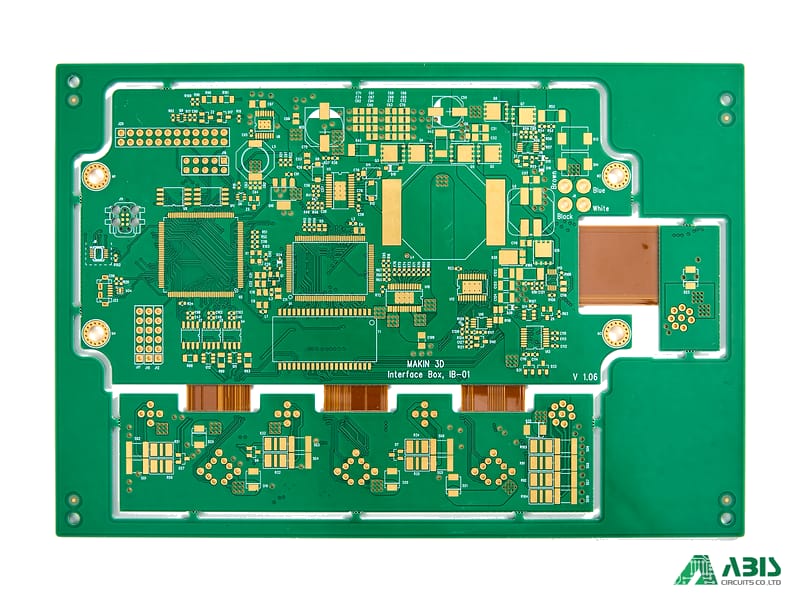
HDI Rigid-Flex PCB
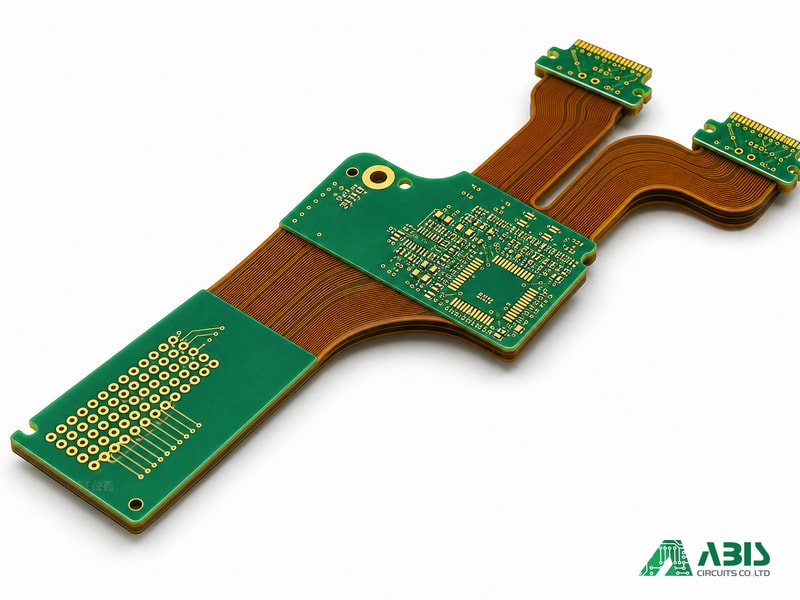
Bookbinder Rigid-Flex PCB
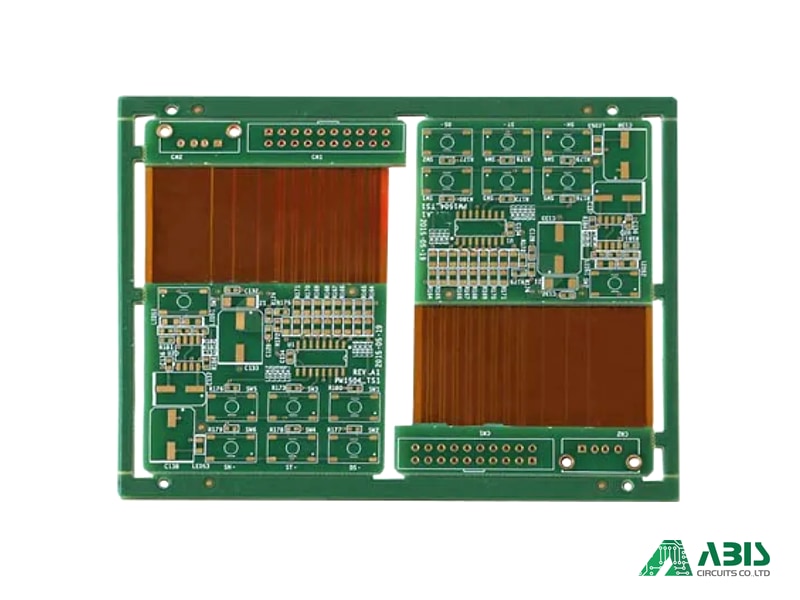
Dynamic Bend Rigid-Flex
Start Your Rigid-Flex PCB Project
Rigid-Flex PCB Support from Structure Review to Assembly
Rigid-flex projects need the mechanical layout, circuit construction, and assembly plan to work together. ABIS helps resolve structural questions early and carries the confirmed requirements through purchasing, production, and delivery.
Stack-Up and Bend Area Review
We review rigid and flexible layer definitions, transition zones, coverlay openings, and bend requirements against your drawings. Technical questions are brought back to your team before production approval.
Assembly Planning for Mixed Structures
Component placement, flex protection, carrier fixtures, and handling requirements are considered alongside the board design. PCB fabrication and assembly details are managed together to reduce late-stage clarification.
Specification and Revision Control
We track approved files, engineering changes, inspection requirements, and delivery milestones. Your purchasing and engineering teams receive clear updates when a specification or schedule needs a decision.
Rigid-Flex PCB Applications in Compact Electronics
Rigid-flex PCBs connect multiple circuit sections within tight or folded spaces. Common applications include wearable devices, medical instruments, camera modules, and compact industrial equipment where internal wiring and connector space are limited.


A Practical PCB Partner for OEM/ODM Projects
Based in Shenzhen, we support customers who need more than basic PCB fabrication. With over 15 years of PCB and PCBA experience, we help engineering and purchasing teams reduce communication gaps, control production risks, and move projects from sample builds to series production and stable delivery.

What Our Business Partners Say About Our Rigid Flex PCB Support
Customers choose ABIS rigid-flex PCB support to clarify structural requirements, reduce assembly uncertainty, and coordinate production from prototypes to repeat orders.
We needed rigid flex PCB samples for a compact wearable product, and their team helped us confirm the bend area and stack-up details before production. The communication was clear and reduced our trial-and-error risk.

Our project required both PCB fabrication and assembly coordination. Their support helped us manage rigid flex PCB production and PCBA requirements through one contact point, which made the project easier to follow.

Rigid flex PCB projects usually involve more production details than standard boards. Their team provided clear feedback on material, structure, and delivery schedule, which helped us manage the order with more confidence.

How to Start Your Rigid-Flex PCB Project
From file review to PCB fabrication and optional PCBA assembly, we provide a clear and efficient cooperation process for OEM and ODM projects.
01
02
03
Frequently asked questions
Yes. We provide complete turnkey Rigid-Flex PCB assembly services, managing custom SMT carrier fixture fabrication, component sourcing, specialized reflow profiles, and 3D automated optical inspection.
We use premium adhesiveless Polyimide (PI) for the flexible sections to ensure excellent thermal stability, and high-Tg FR4 for the rigid sections, sourced from certified global brands.
For an accurate quotation, please provide Gerber files, drill files, PCB specifications, layer stack-up, bend area requirements, board thickness, copper thickness, material requirements, surface finish, quantity, and delivery expectations. If PCBA assembly is required, please also provide the BOM, pick-and-place file, assembly drawings, and testing requirements.
Our engineering review ensures proper fillet designs, strain relief addition (like flexible coverlay overlaps), and teardrop trace padding are applied to prevent trace cracking at the rigid-flex boundary.
Because the thickness varies between the rigid and flexible zones, standard conveyor belts cannot hold them flat. We design and manufacture custom magnetic or mechanical SMT pallets to ensure stable component placement.
Yes. By using adhesiveless material, specified dielectric layer stack-ups, and specialized cross-hatched copper or solid shield planes, we achieve strict controlled impedance across both rigid and flex zones.
No. We have no strict MOQ. We support engineering and research teams from single-board prototype validation and sample builds to medium-and-high volume series production.
We implement custom packing solutions, using vacuum-sealed anti-static bags and specialized slot-trays to prevent the flexible sections from twisting, scratching, or bending under stress during transit.
Absolutely. Design safety is paramount. We sign legally binding Non-Disclosure Agreements (NDAs) to secure your data and BOM lists prior to any engineering or technical evaluation.
Please provide your complete Gerber/ODB++ files, specified layer stack-up drawings (identifying rigid and flex zones), detailed BOM with manufacturer part numbers, and target volume.
