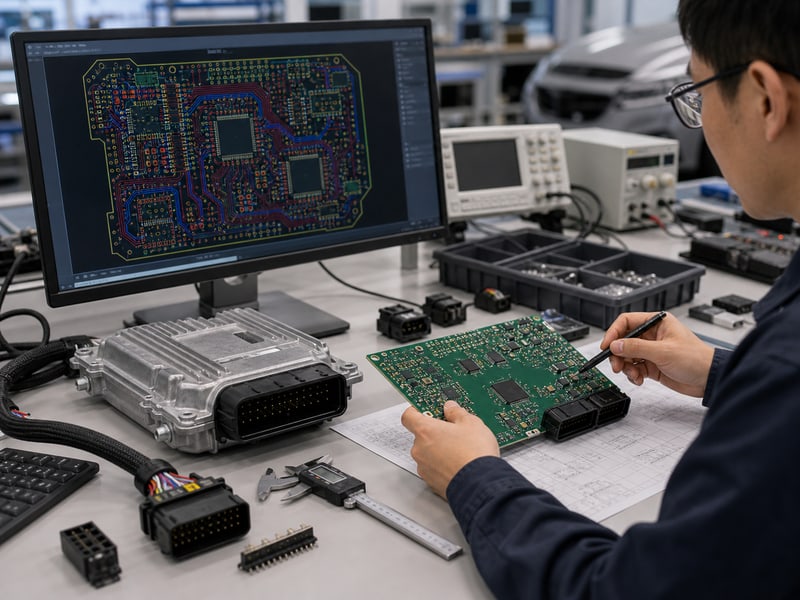
Automotive DFM Review
Reduces production issues caused by unclear stack-up, tight spacing, unsuitable copper design, tolerance conflicts, or incomplete assembly notes.

Automotive electronics manufacturers need PCBs that perform reliably under heat, vibration, compact assembly space, and repeated production demands.
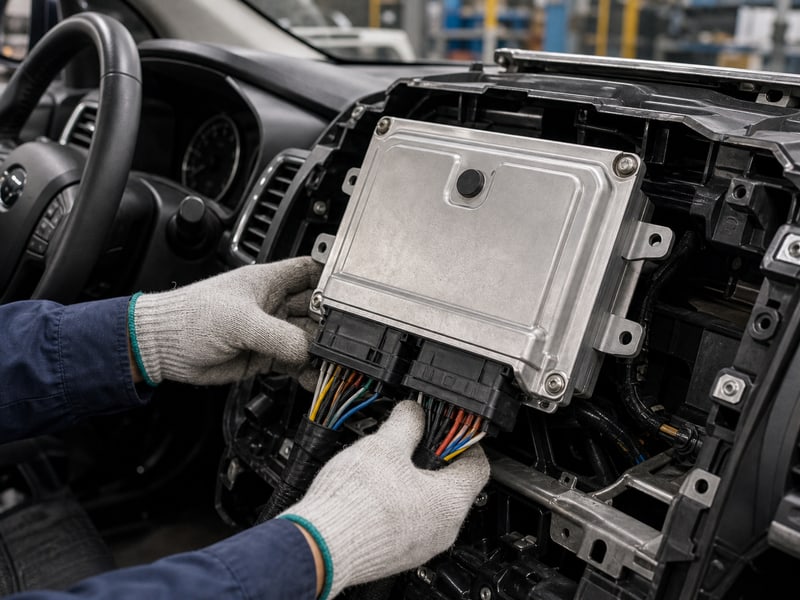
For ECU modules that require stable electrical performance, reliable layer structures, and consistent production quality.
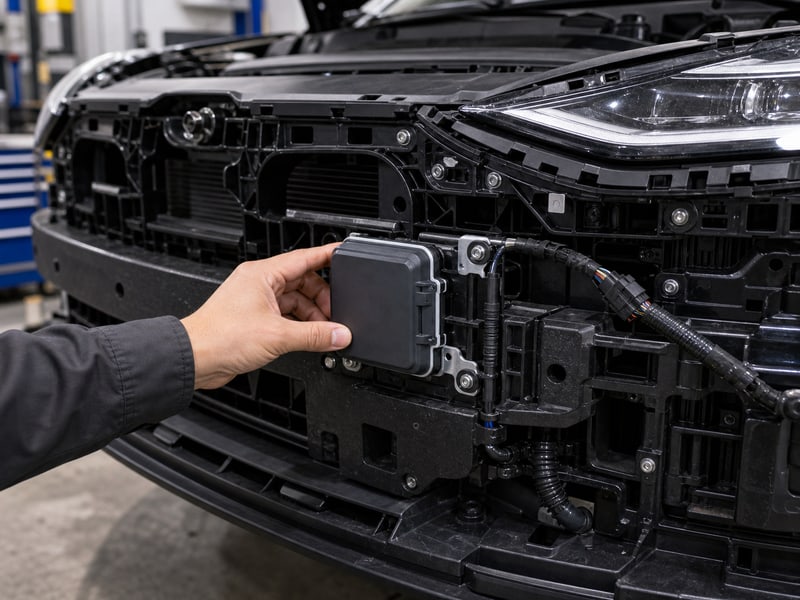
For compact layout, signal stability, and assembly accuracy affect detection performance and long-term product reliability.
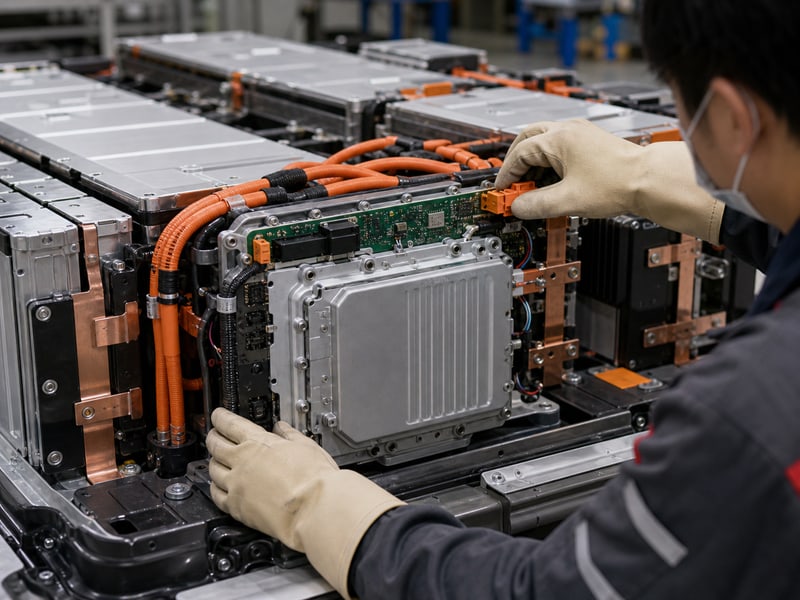
For BMS(battery mamagement system) applications need stable paths, thermal consideration, and dependable production control.
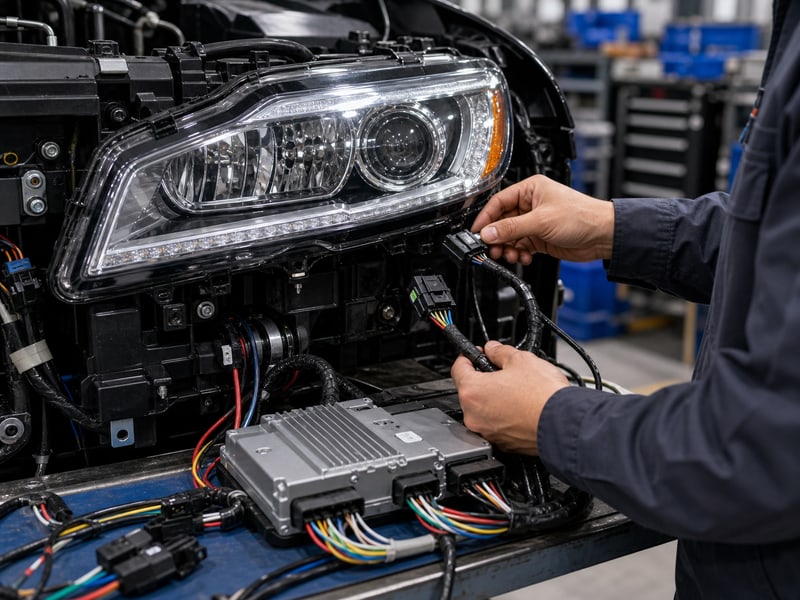
For automotive lighting control modules that require heat management, stable circuits, and reliable operation.
Reduces production issues caused by unclear stack-up, tight spacing, unsuitable copper design, tolerance conflicts, or incomplete assembly notes.
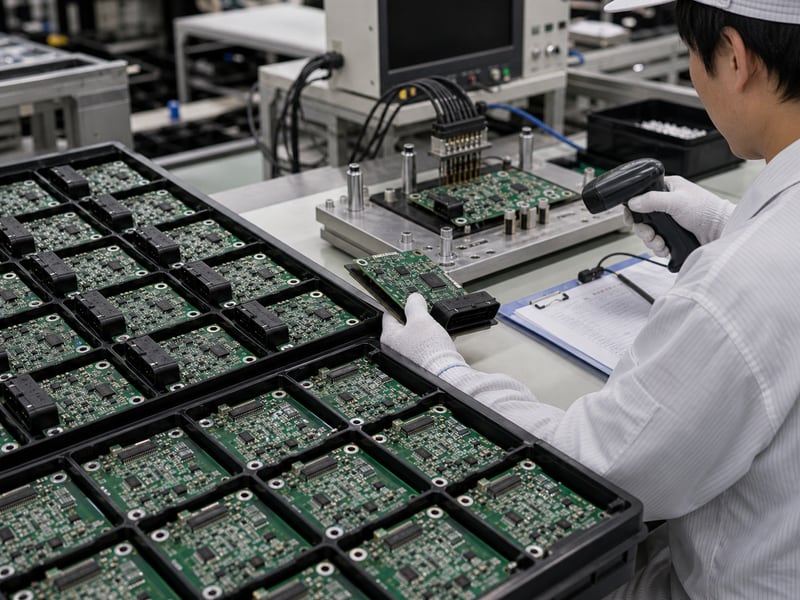
Reduces quality fluctuation across repeated orders for ECUs, sensors, BMS modules, lighting controls, and vehicle electronic boards.
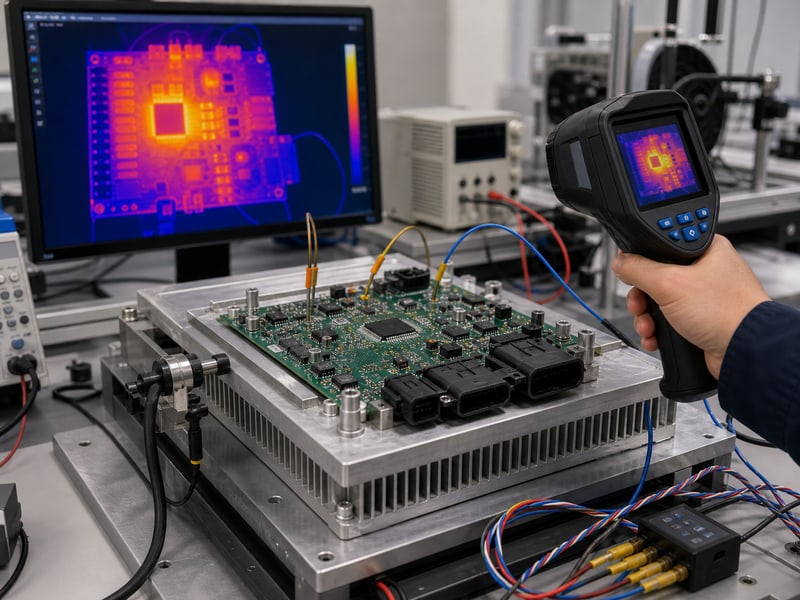
Reduces heat, current, and long-operation risks in automotive power boards, lighting modules, and battery-related control systems.
Customers work with ABIS for practical engineering communication, stable PCB quality and reliable support.
“ABIS helped us review the stack-up and tolerance details before production. Their feedback made our ECU project easier to move from samples to batch orders.”

“Our sensor boards required compact layouts and consistent quality. ABIS communicated clearly and delivered boards and our assembly process well.”

“ABIS supported our BMS PCB project with practical file review and stable sample delivery. Their team understood the production risks we needed to control.”

Based in Shenzhen, ABIS support customers who need more than basic PCB fabrication. With over 15 years of PCB and PCBA experience, we help engineering and purchasing teams reduce communication gaps, control production risks, and move projects from sample builds to series production and stable delivery.

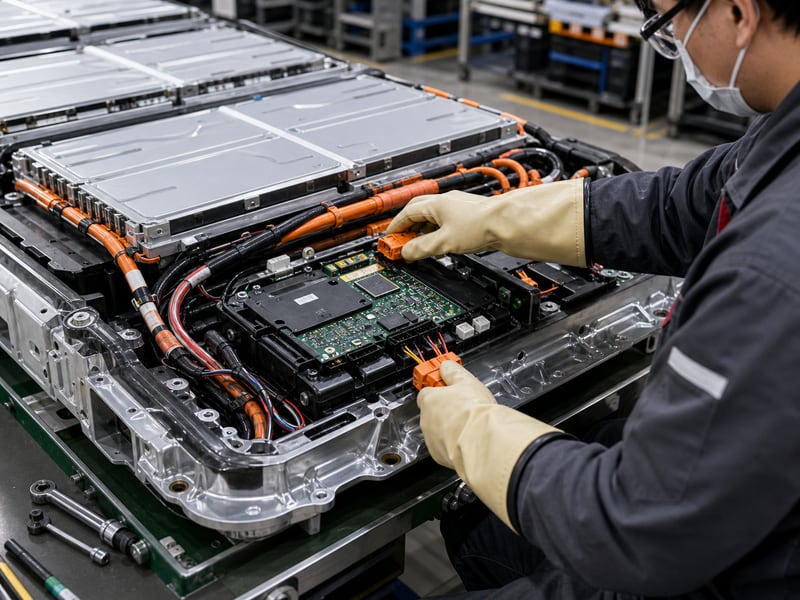
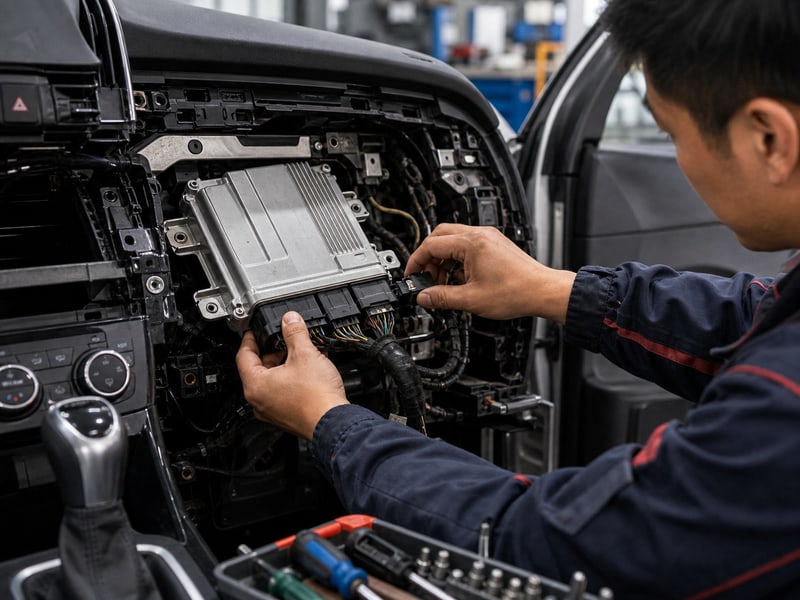
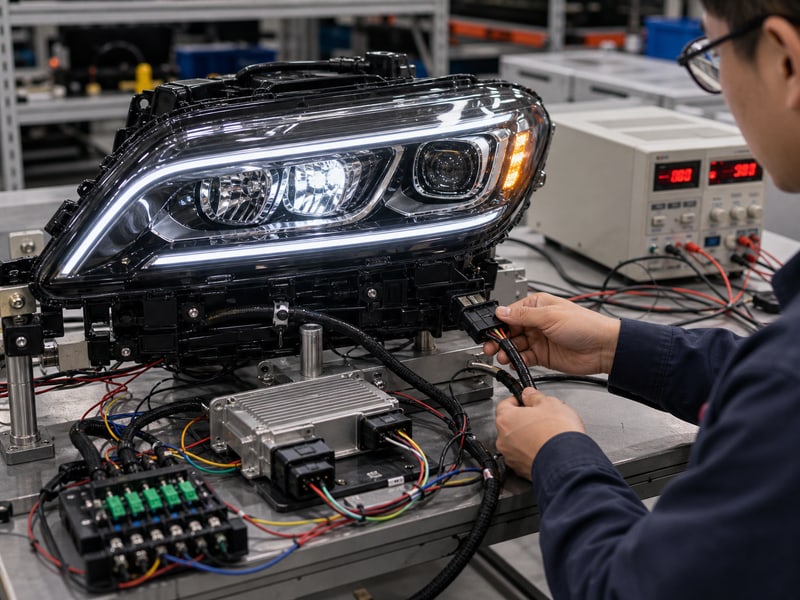
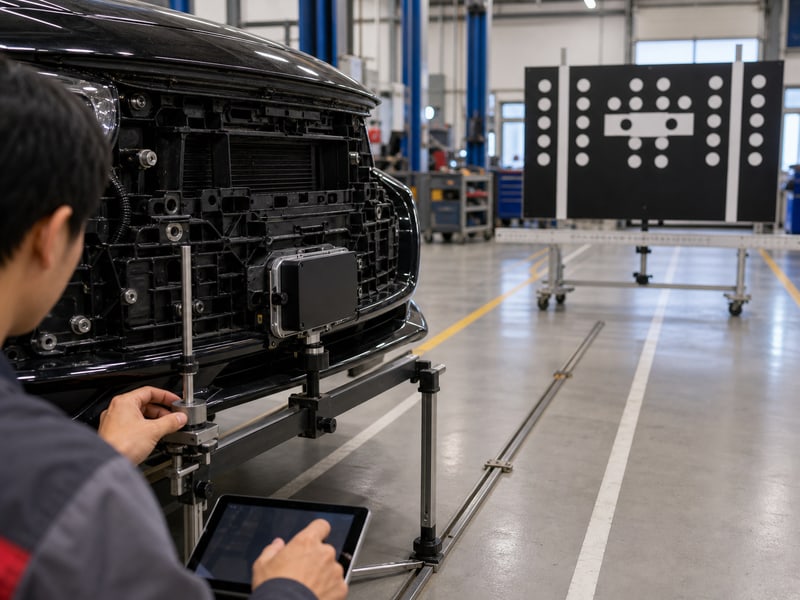
Automotive electronics projects often require multilayer PCBs, HDI PCBs, rigid-flex PCBs, heavy copper PCBs, metal core PCBs, and high-TG PCBs for compact control modules, sensors, and power-related systems.
ABIS manufactures PCBs and PCBAs for ECUs, automotive sensors, BMS modules, lighting control systems, power control units, infotainment modules, and other vehicle electronic devices.
Stack-up, copper thickness, material selection, tolerance, hole design, surface finish, thermal requirements, assembly fit, and testing requirements should be reviewed before production.
Yes. ABIS can coordinate PCB fabrication, BOM review, component sourcing, SMT assembly, DIP assembly, inspection, and delivery for automotive electronics projects.
Yes. ABIS can review Gerber files, stack-up, copper design, spacing, tolerances, hole structures, and assembly notes to reduce production and assembly risks.
ABIS checks BOM details, confirms component specifications, reviews availability, and coordinates sourcing channels before assembly to reduce incorrect parts, substitutions, and procurement delays.
ABIS can arrange electrical testing, visual inspection, AOI, X-Ray inspection for selected assembly structures, and project-based inspection records according to order requirements.
Yes. ABIS can handle prototypes, small batches, pilot runs, and repeat orders, making automotive PCB validation more practical before larger production demand.
ABIS confirms production specifications, inspection requirements, packaging details, and delivery schedules before repeat production to reduce communication gaps and order delays.
Yes. ABIS manages Gerber files, BOM data, and engineering documents with controlled access, and can provide RoHS, REACH, UL-related material or process documents when required.
